

All Aboard Union Station
Why Burnham and Bennett featured a train station in their dream city

Each week, discover an historic Chicago landmark and meet the people who built the Windy City. Includes audio recorded by Jim Goodrich.
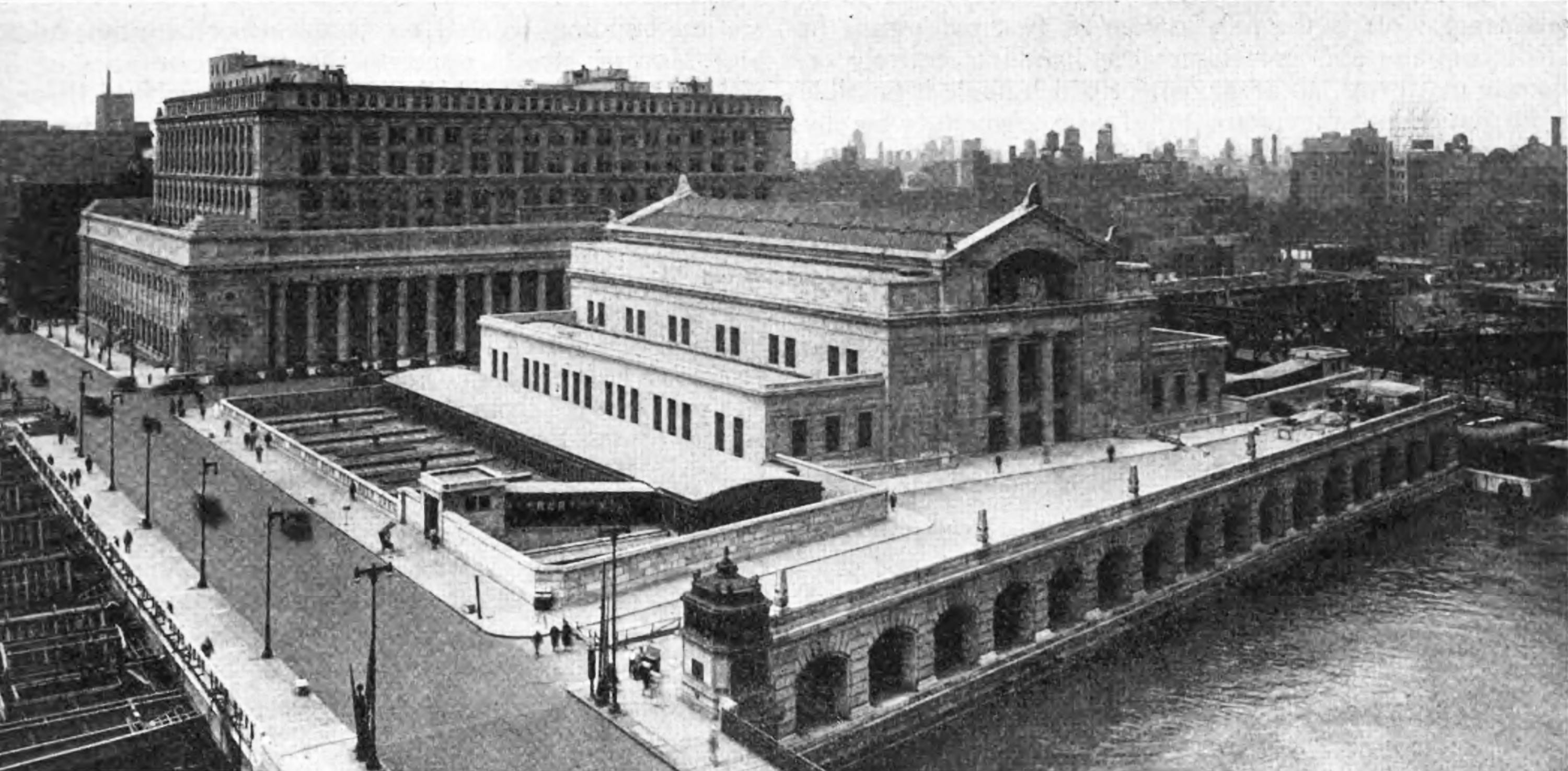
1848 was a big year for Chicago. The Illinois and Michigan Canal finally connected the Great Lakes to the Gulf of Mexico. The first telegraph message was received (from Milwaukee). Far-sighted merchants founded the Chicago Board of Trade. And, the Galena and Chicago Union Railroad opened.
All of these developments fueled the growth of the city. The impact of all of these was profound, but the railroad’s influence on the wealth and population of Chicago was immediate and far-reaching.
Even though the city had been steadily growing in the eleven years since its incorporation, the explosion that happened with the advent of railroads soon made it the fastest growing city in the world. Trains made it easier and faster for people to travel, and travel they did.
To some, lured by the promise of land with the acquisition of the Oregon Territory or the gold fields of California, Chicago was a stopping point on the way to somewhere else. Thousands, however, stayed. Between 1848 and 1858, the city’s population increased from around 20,000 to 90,000. By 1871, more than 300,000 lived in Chicago. In the years after the Great Chicago Fire, the population grew to more than half a million people, and the city’s recovery was due in large part to trains.
Keep reading with a 7-day free trial
Subscribe to Living Landmarks of Chicago to keep reading this post and get 7 days of free access to the full post archives.